Floors That Hold Up and Look Right
Tile installation and flooring services for homes throughout Denver, Colorado.
When you walk into a bathroom or kitchen in Denver with cracked grout lines, loose tiles that click underfoot, or worn vinyl that curls at the edges, you know the flooring has reached the end of its lifespan. You need surfaces that handle moisture, resist daily wear, and fit the layout of your home without awkward transitions or gaps.
Quality & Affordable Renovations, LLC installs tile for bathrooms, kitchens, entryways, and backsplashes, and lays flooring that improves durability and matches your design preferences. The work includes subfloor inspection, leveling where needed, precise cutting and layout, setting tile or plank with proper adhesive, and finishing with grout or trim that seals edges cleanly. This service works well during remodels or as a standalone upgrade.
If your floors or tile surfaces in Denver need replacement or a first-time install, get in touch to discuss material options and layouts.
What Goes Into a Clean and Lasting Install
The crew pulls up old flooring, checks the subfloor for soft spots or uneven areas, and makes repairs or applies self-leveling compound if the surface is not flat. In Denver homes, basement and main-floor subfloors sometimes show minor settlement, so leveling ensures tile or plank flooring does not crack or shift after installation.
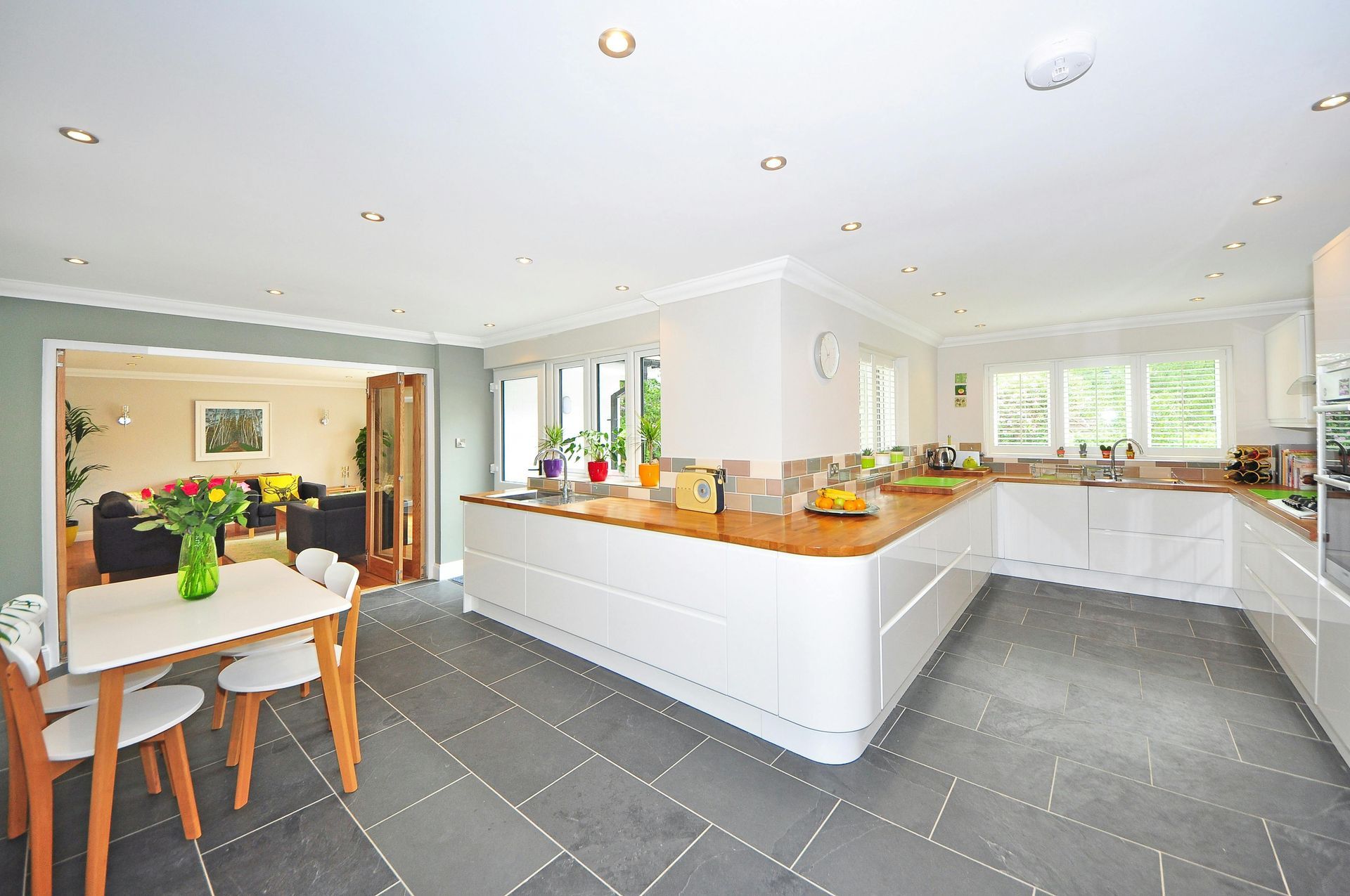
Once the work is done, you will see floors with tight grout lines, no lippage between tiles, and transitions that sit flush with adjacent surfaces. The flooring feels solid underfoot, resists moisture in wet areas, and looks finished without visible gaps or rough edges.
This service covers ceramic, porcelain, luxury vinyl plank, engineered wood, and laminate installations. It does not include carpet, natural stone polishing, or radiant heat system installation unless specified. The goal is to give you flooring that performs well and fits the way you use each room.
What You Should Know Before Installing Flooring
Homeowners in Denver often ask about material durability, underlayment options, and how long rooms stay unusable during installation.
Quality & Affordable Renovations, LLC works throughout Denver and installs flooring and tile with attention to levelness, layout, and long-term performance. If you need new floors, a backsplash, or tile work that holds up under daily use, contact us for a consultation.